
Build a Douglas County Former-Owner Timeline
Anchor the timeline in a real, matched transfer. Record every step in reverse. The table is a worksheet model, not a sample ownership claim, so fill it with each actual deed's dates, parties, instrument class, and citation.
| Transfer date | Grantor to grantee | Deed type | Book/page or instrument |
|---|---|---|---|
| Newest matched deed | Named seller to current grantee | As indexed and stated | Copy the exact citation |
| Prior acquisition | Earlier seller to the newest grantor | As recorded | Follow the prior-deed clause |
| Earlier book era | Transcribe parties exactly | Warranty, quitclaim, executor, or other | Clerk volume and page |
Let the legal description control the work. A similar name or nearby address is only a lead until the subdivision, lot, land lot, district, acreage, or metes-and-bounds details line up.
Douglas County Former Owners Span Two Access Eras
The GSCCCA Real Estate Index guarantees online deed indexing for the county from January 1, 1999, with historical records added over time. The Douglas County Clerk states separately that county record custody reaches back to 1871. No complete local schedule of pre-1999 images or microfilm appears in any official source.
Work GSCCCA first. It covers the documented online era for Douglas County property records. When a matched chain runs deeper than what the index offers, call the Clerk records room at 770-920-7441 and ask for the deed book plus the grantor/grantee index volume for that year. Have the last known book and page, the party names, and the legal description in hand before you dial.
Do not confuse access with existence. The 1999 online baseline does not erase older owners. Douglas County reports custody beginning in 1871.
Read the Douglas County Former-Owner Chain Backward
Use the current parcel only to anchor the first deed. Each recorded instrument then supplies the party and citation for the next earlier step. Save every image or citation, and write one line explaining why it matches the land.
- Find the newest acquisition deed with the owner as grantee and match its legal description.
- Read the grantor and any cited prior book/page. Transcribe names and punctuation exactly.
- Search that grantor as an earlier grantee, widening for spouses, initials, trusts, estates, and company suffixes.
- Repeat through the online index, then continue from the last sound citation in Clerk books or staff-assisted records.
- Grantor
- The party conveying the stated interest.
- Grantee
- The party receiving it.
- Chain of title
- The sequence of recorded transfers tied to the land.
- Reverse index
- An index arranged to help find parties in the opposite transaction role.
- Warranty and quitclaim
- Different forms of conveyance with different stated warranties.
Use Exact References for Douglas Former Owners
The GSCCCA book/page search shows the county, date, book, and page keys that retrieve a known instrument.
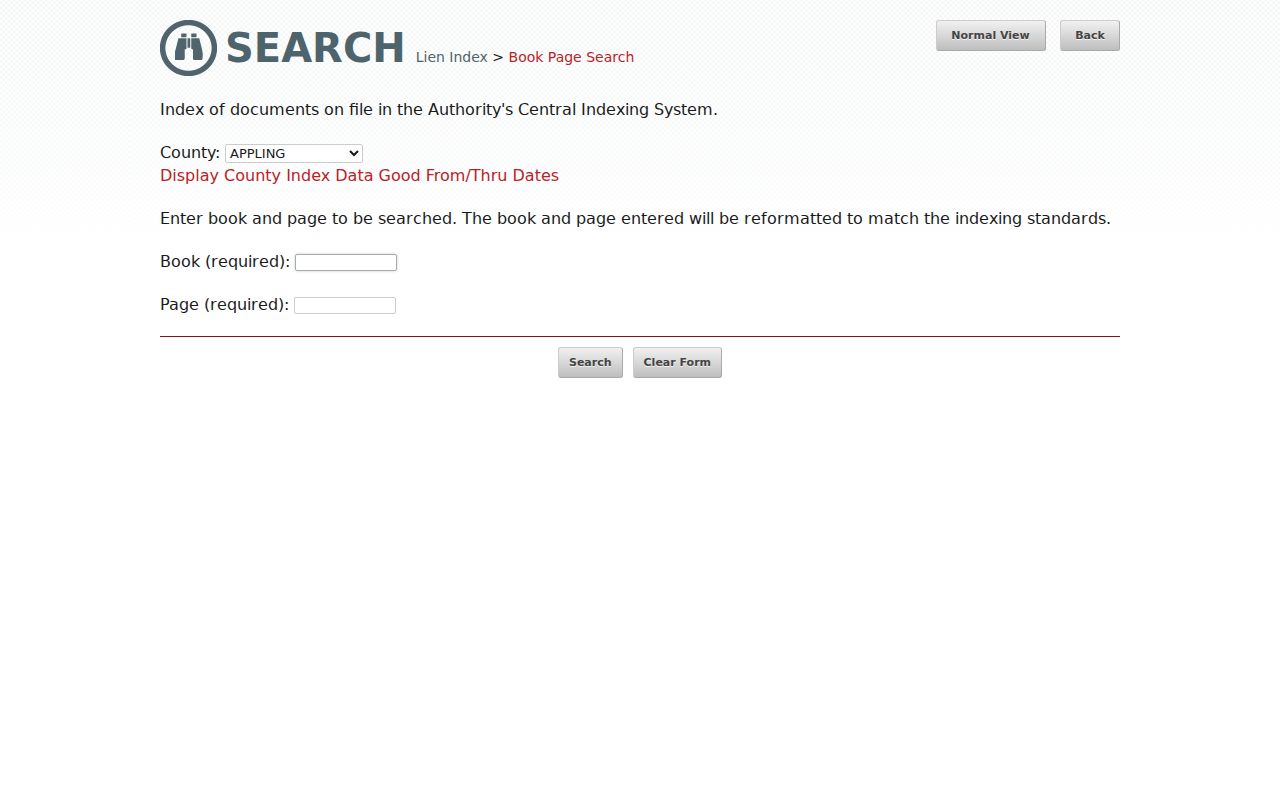
A precise citation cuts through same-name noise. Still compare the full deed's legal description before adding anyone to the former-owner timeline.
Parcel Splits Can Hide Douglas County Previous Owners
A split or combination can leave the modern PIN absent from earlier instruments. Douglas County's process calls for a proposed survey. It also requires Zoning Administrator review and stamp, recorded deeds, and a later assessor and GIS update. Search both old and new legal descriptions, deed dates, and any prior-parcel references. Subdivision name, phase, lot, block, and unit can bridge generations of parcel numbers. For older rural land, other details may work better. Land lot, district, roads, creeks, acreage, and metes-and-bounds calls can carry the history. A recorded plat can show when one tract became several lots. It can also identify easements or common areas that remained.
Note: A changed PIN is a database-history clue, not proof that the chain of former owners has broken.
Look Beyond Douglas County Before 1870
Douglas County was created in 1870 from predecessor territory. The Clerk's stated custody run begins in 1871. An earlier owner may therefore appear under Campbell County, Campbellton, or another older jurisdiction. It may also appear under an older place description. Campbellton was an older county-seat and ferry community. That name may prove more productive than a modern address. No courthouse fire, flood, destroyed deed-book decade, or reconstructed index is documented. Confirm any records-loss claim with the Clerk or Georgia Archives first. Never lean on a dramatic loss story without that confirmation. A chain that stops at county formation should trigger a predecessor-jurisdiction search.
Estate Records Explain Douglas County Prior-Owner Gaps
A clean sale-to-sale sequence can break in several ways. An owner may have died. A fiduciary may have acted, and heirs may have gained authority before a later deed. The Douglas County Probate Court estates page describes public estate indexes. The files reach into the late 1800s. It lists a $15 nonrefundable research fee per estate or name. Petitions and copies carry separate charges. Search the decedent, executor, administrator, trustee, heirs, and later grantees. An estate petition, inventory, order, or will can explain authority. The recorded executor or administrator deed remains the true land-record link. Company owners can also change names or status without leaving a simple personal surname trail.
Douglas Libraries Add House-History Leads
Douglas County Public Libraries maintains genealogy and local-history collections. It also offers newspapers, databases, and reference help. The Douglas County Genealogical Society has donated research volumes to the library system. The total now exceeds 320. The library posts no exact directory years, obituary indexes, or newspaper runs.
Use directories, census schedules, obituaries, cemetery clues, and news items. They help distinguish same-name people or follow an old address. Released federal census schedules currently run through 1950 under the 72-year rule. These sources enrich house history but never replace a recorded deed.
How Far Back Douglas County Former Owners Go
The answer has layers. GSCCCA's guaranteed index begins in 1999. Douglas County custody is stated back to 1871. Earlier land may require predecessor counties and historical land-lot descriptions. The county publishes no first surviving local volume, shelf list, microfilm vendor, or complete image range. Build only as far as the evidence allows. Preserve instrument and recording dates, party roles, consideration language, legal description, prior reference, exceptions, easements, tax stamps, and plat links. Label any directory, census line, tax-roll name, or cemetery record as a lead until a deed or court-authorized transfer ties it to the parcel.
Use the history lawfully. Douglas County former-owner records support title work, purchase diligence, estate research, and house history. They must not be used to target or harass a living person.
For one instrument's fields and copy channels, see the Douglas County deed records guide. That page handles the mechanics of a single deed. This one stays on time depth and the backward owner chain.